Holiday Shoppers Plan to Spend Less This Year Due to Inflation

High prices continue to drag down consumer spending, as holiday shoppers plan to buy on a budget.
Consumers appear to be in dire need of some holiday cheer this season, as many of them report planning to spend less this year on gifts due to concerns over inflation and pricing, according to a survey conducted by purchase data platform Attain.
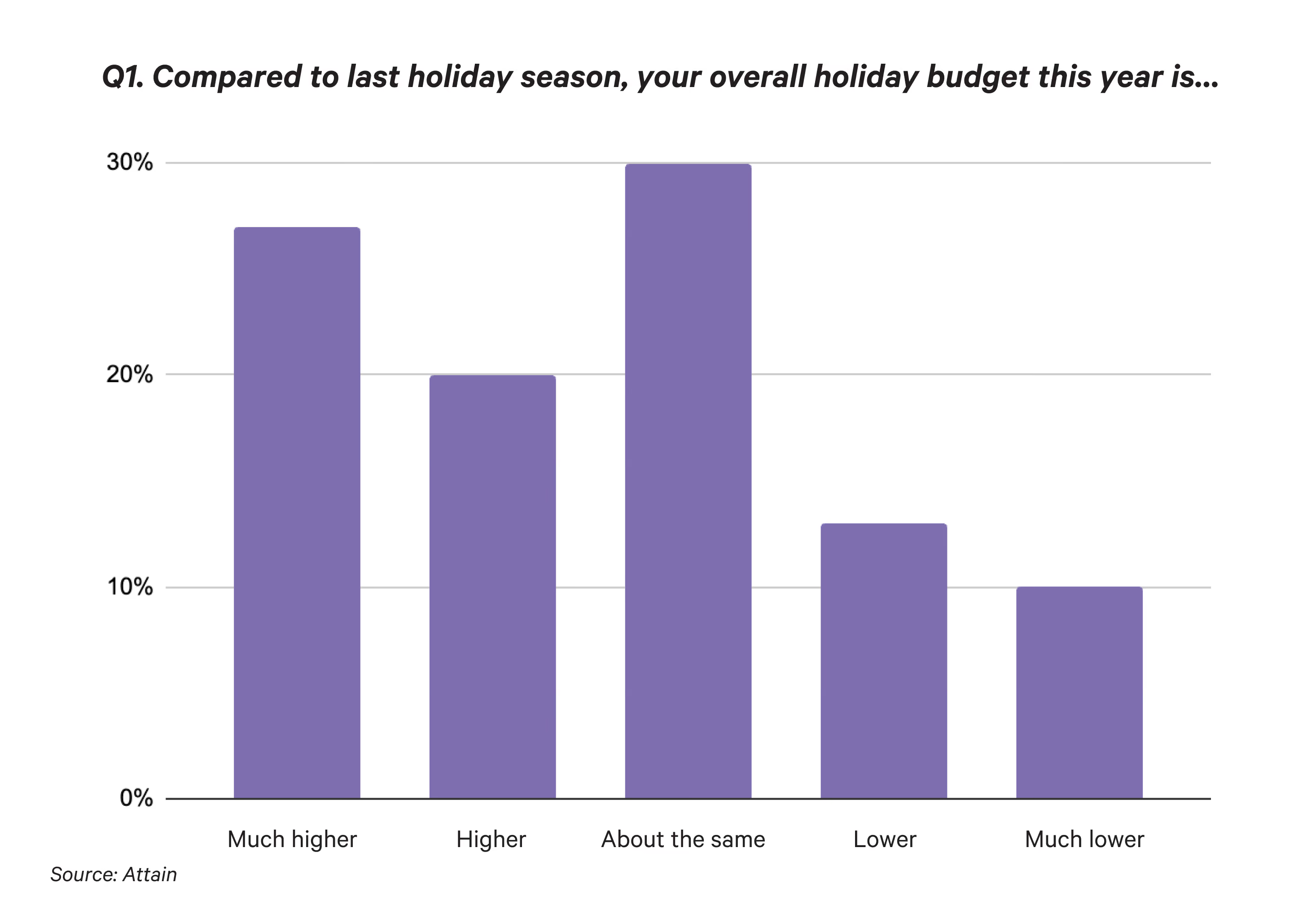
A vast majority of consumers (77 percent) do not plan to increase their holiday shopping budgets this year compared with 2024, and nearly half (47 percent) plan to decrease their spending. Less than a quarter (23 percent) report planning to spend more than the 2024 holiday season.
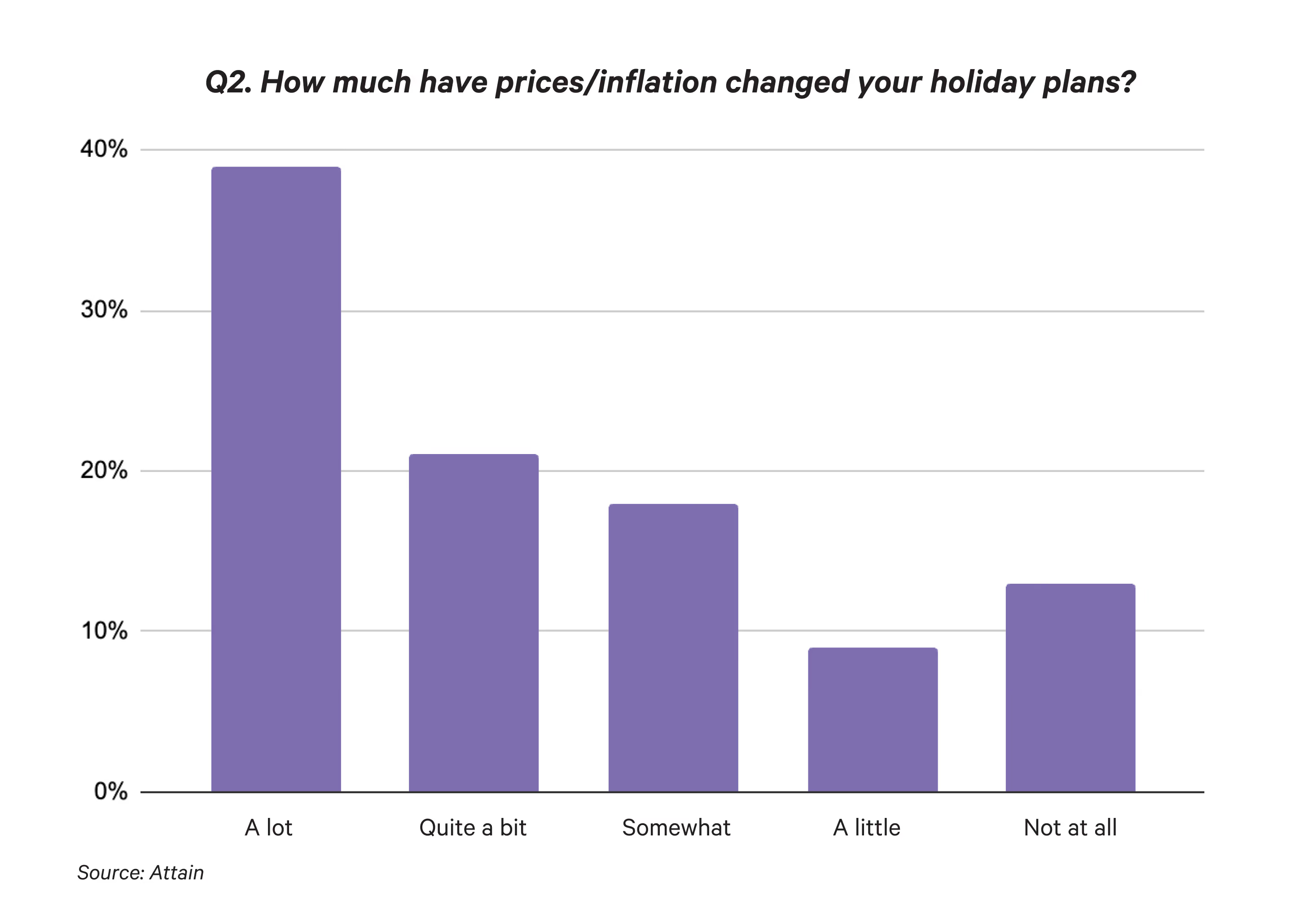
The primary culprit for this sluggish spending is inflation and the corresponding high price of goods, which continues to nag at consumers. A majority of survey respondents (60 percent) say prices have significantly changed their holiday shopping plans.
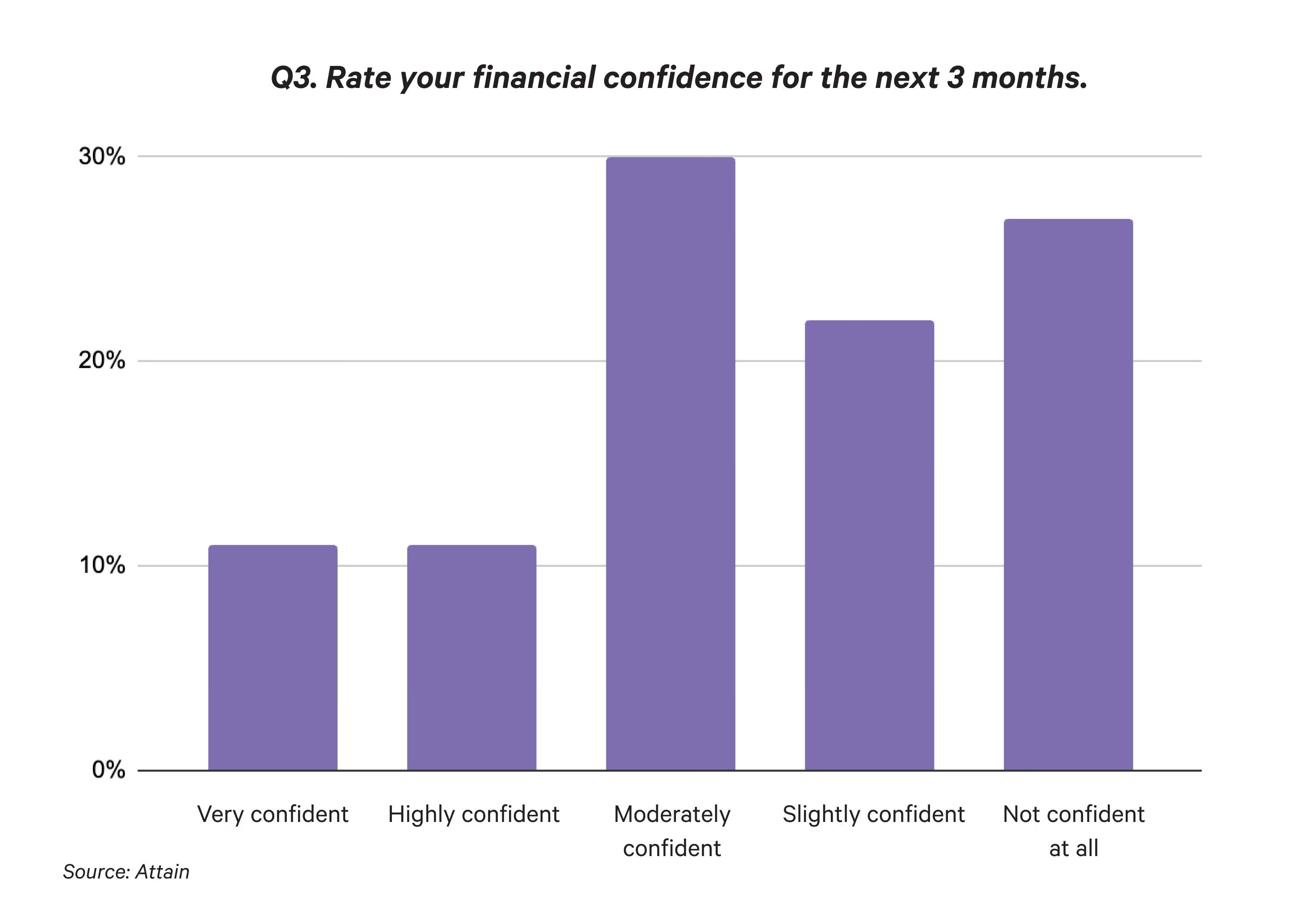
The dismal outlook is reflected in consumers’ confidence about their financial futures. Only 22 percent of consumers report high levels of confidence about the next three months of their finances.
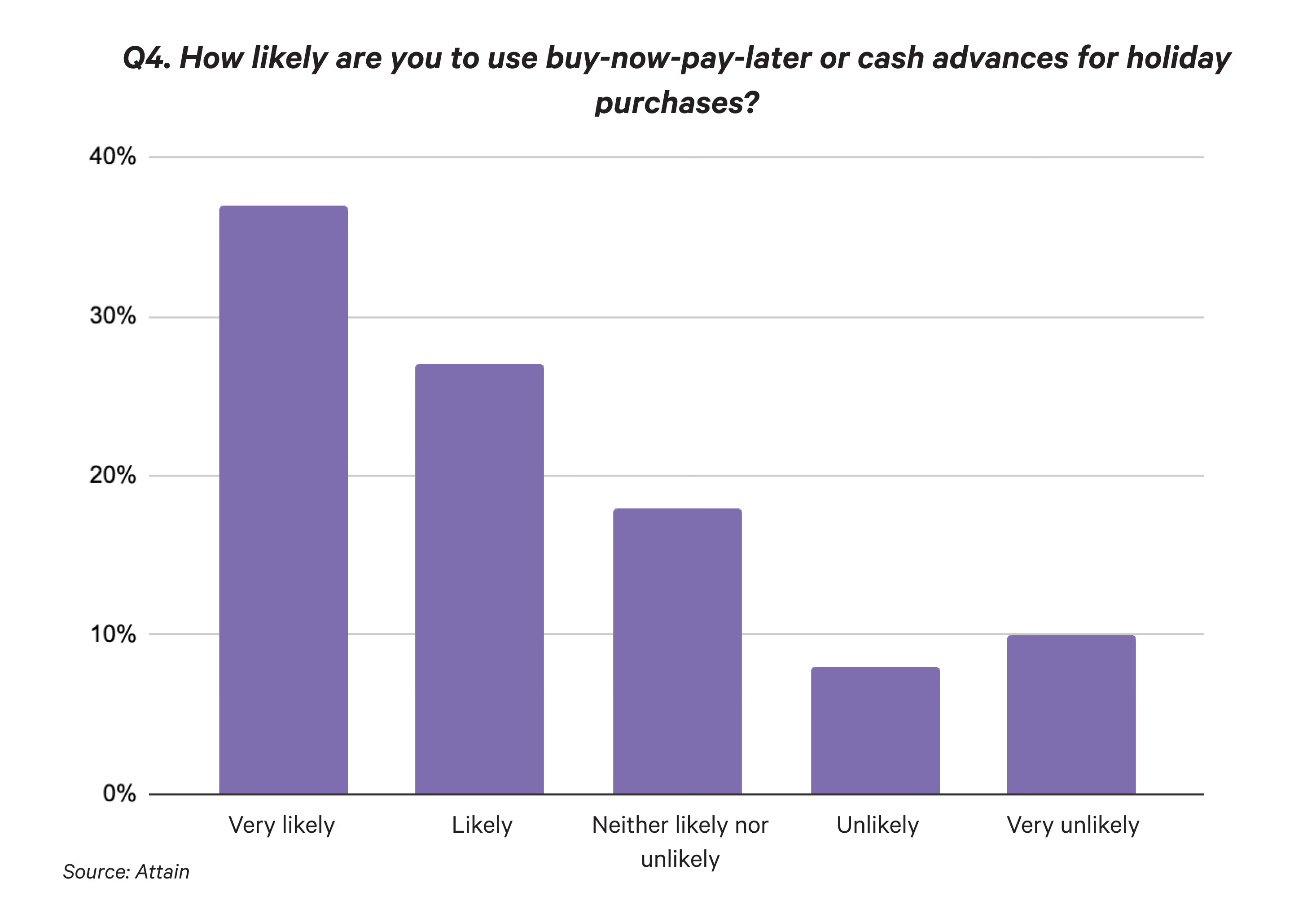
Angst about prices seems to be inducing consumers to use “buy now, pay later” credit services to purchase their holiday items. More than a third of respondents (37 percent) say they are “very likely” to use such a credit service, and another 27 percent of consumers say they are “likely” to use one.
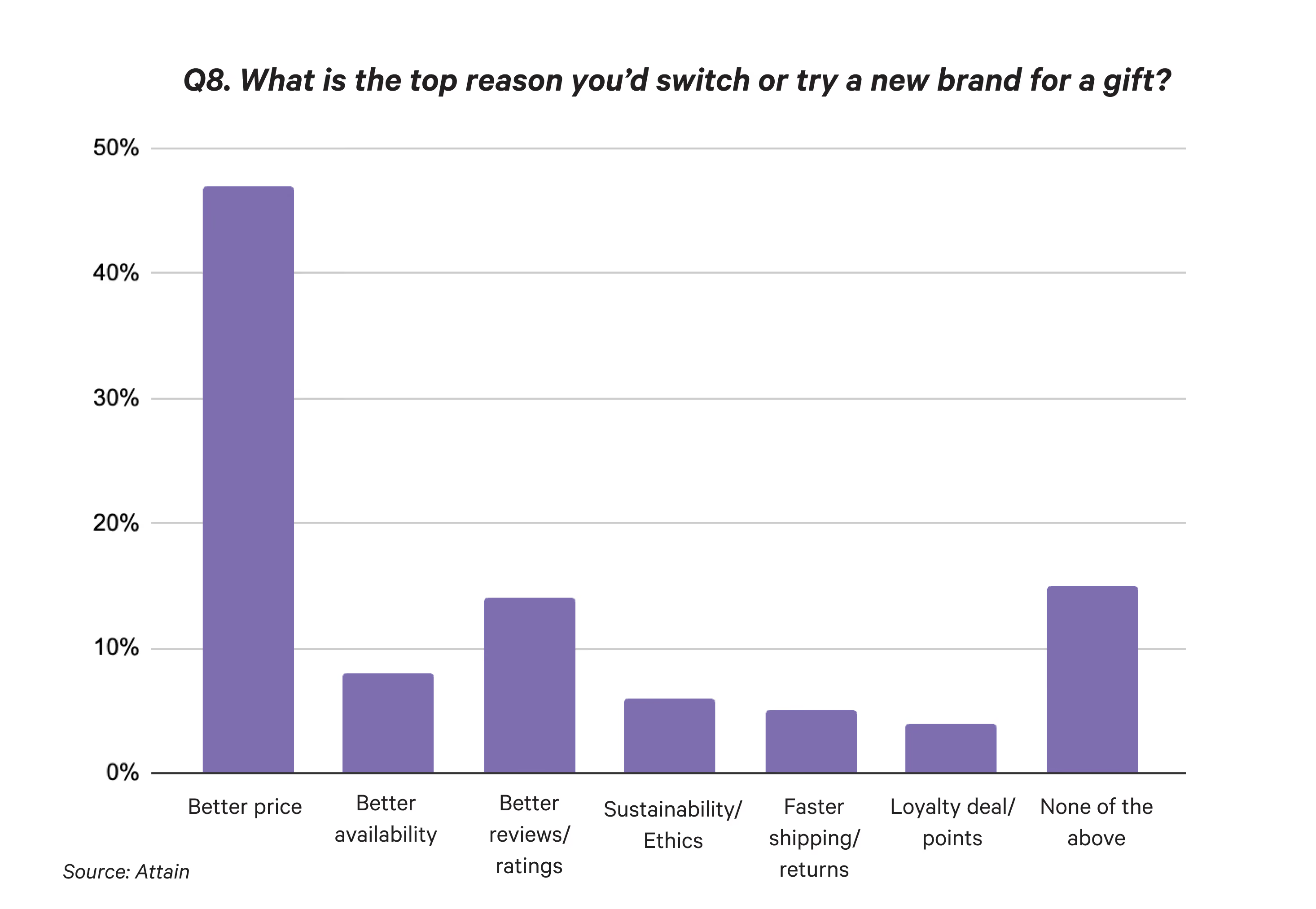
Marketers might not like to hear this news, but consumers’ budget-conscious spending habits also present an opportunity for brands to lure in new customers by emphasizing the value of their goods. Almost half of consumers (47 percent) say they will try a new brand for a gift if it has a better price than the competition.
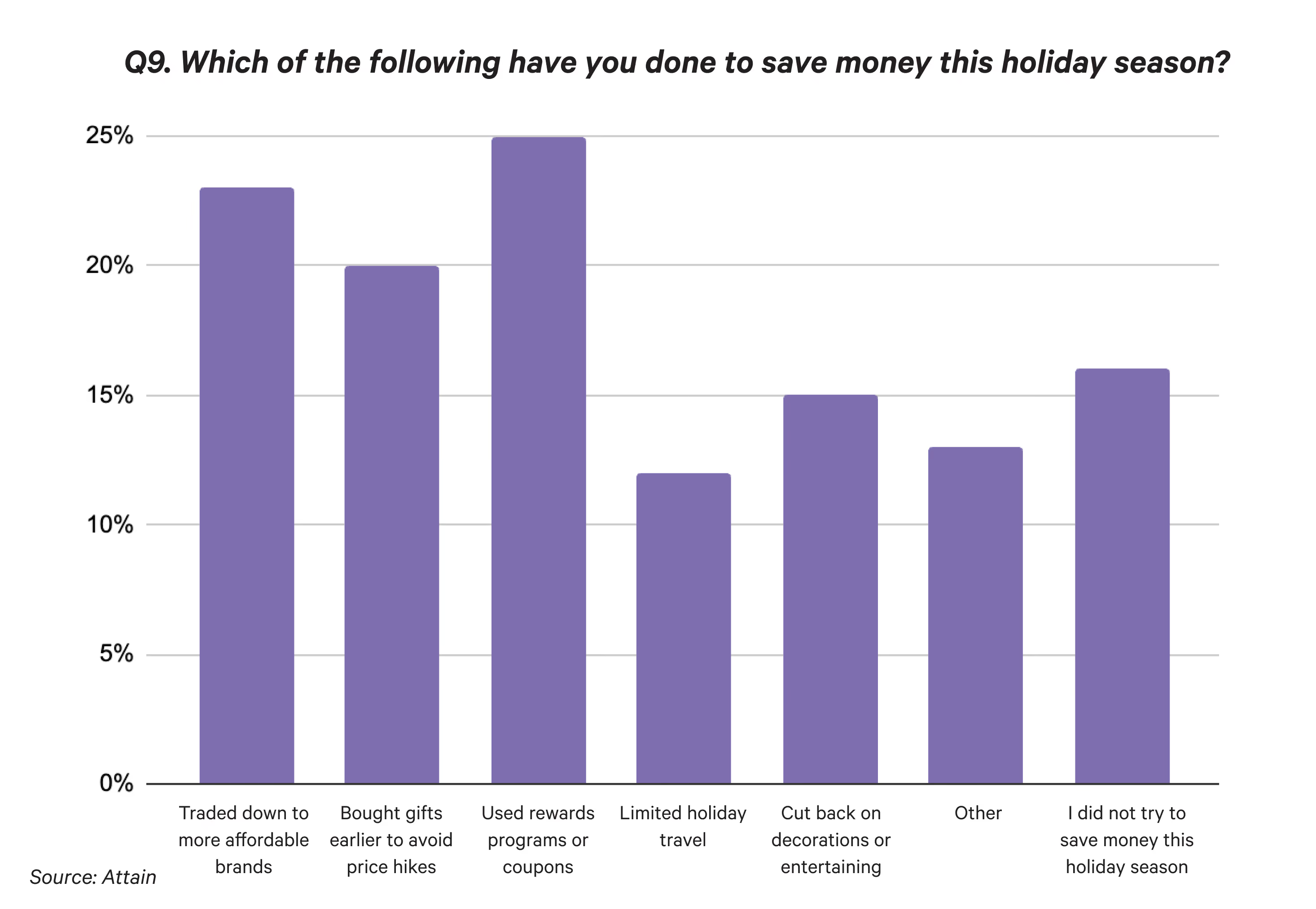
Consumers report a willingness to trade down to more affordable brands (23 percent of respondents) and use reward programs or coupons (25 percent) to save money on their holiday gifts.
By emphasizing value, brands can help consumers weather what looks to be a stormy consumer forecast for the holiday season — kind of like Rudolph helping Santa navigate a snowstorm, except this is brands guiding shoppers to the register.
Then again, things might turn out just fine for retailers, even despite consumers’ bah humbug financial feelings. Last year’s holiday sales exceeded expectations, and consumers reported worries about prices that year, too. The National Retail Federation projects that holiday sales this season will be up approximately 4 percent from 2024, making it the first year to generate more than $1 trillion in commerce spending.
There is often a sizable gap between what consumers say they’re feeling and how they behave. This cognitive dissonance was exemplified by the so-called “vibecession” of the post-pandemic years, when consumers reported feeling down on the economy but continued spending as if they hadn’t a care in the world.
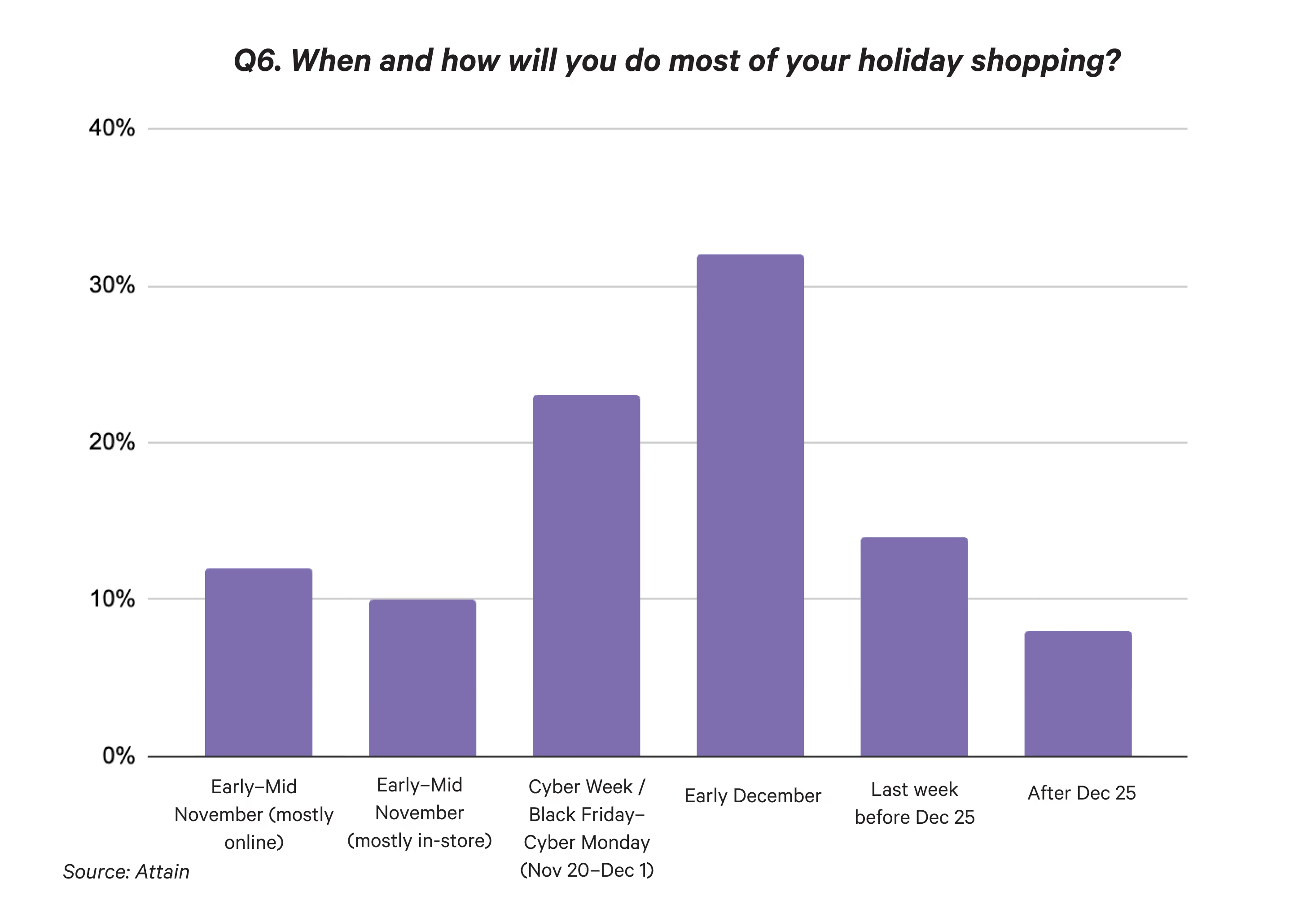
For instance: Despite being concerned about prices, consumers don’t seem to be planning their holiday spending around the seasonal cost-cutting promotions. The most common time to buy gifts is in early December, and not during the Black Friday to Cyber Monday window, when retailers offer consumers steep discounts on products.
Not all consumers are as worried. Financial outlook varies significantly by age, with Gen Z consumers feeling the most optimistic about their financial futures and Gen X and Baby Boomers having the least confidence. The youth still believe in the wonder of Christmas.
Here’s to hoping their spirit is infectious and that Santa delivers brands another Christmas miracle this year.



Stay ahead of the story.
Get the latest from The Outcome—expert takes on the industry, emerging trends and exclusive insights into how consumers are actually spending.